(PDF) Bioinformatic and Biochemical Evidence for the Identification of the Type III Secretion
Figure 2 from The Chlamydia trachomatis Type III Secretion Chaperone Slc1 Engages Multiple Early
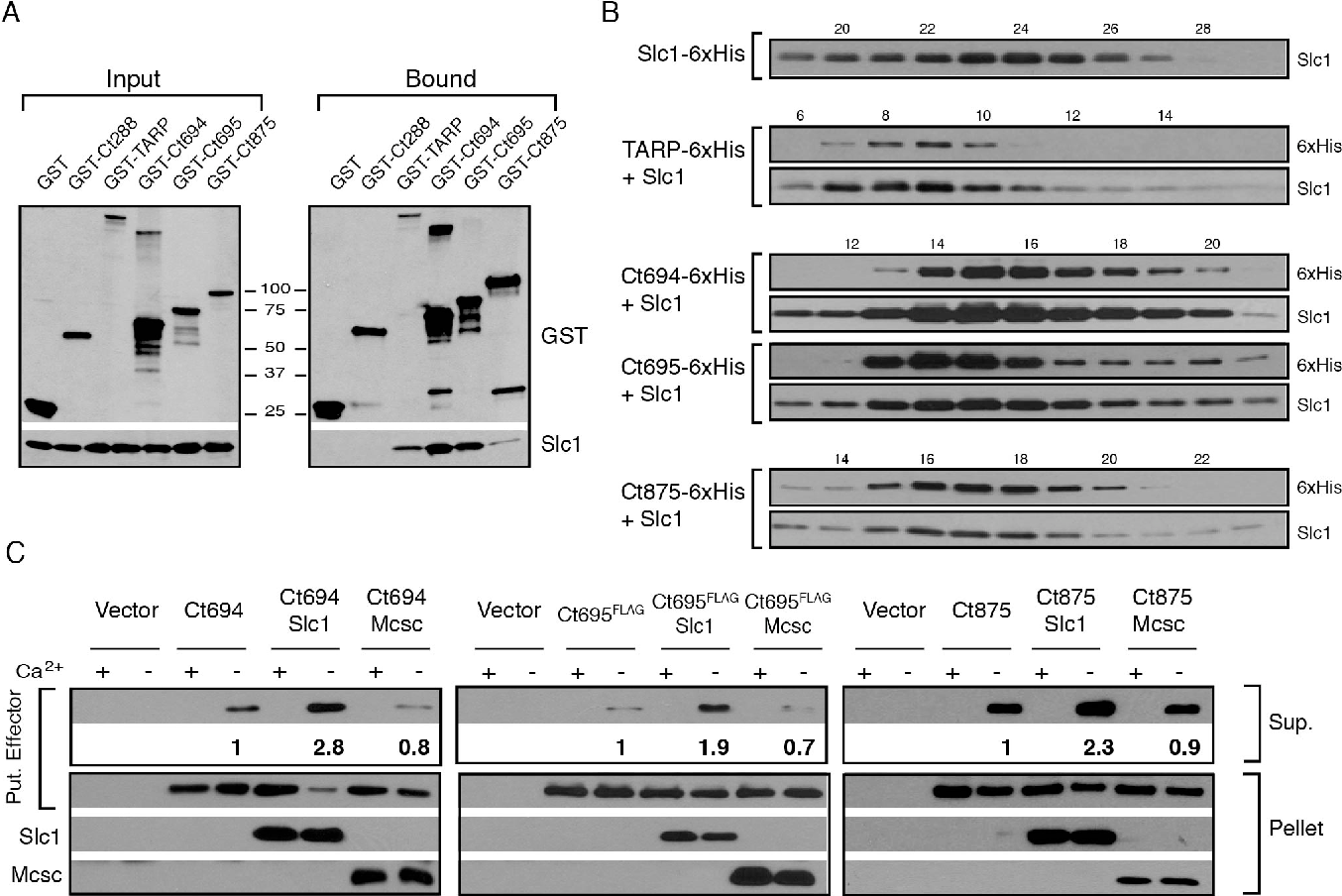
The type III secretion system (T3SS) is a needle-like molecular syringe that enables the direct injection of bacterial effector molecules across host membranes 150. Chlamydia spp. use the T3SS at.
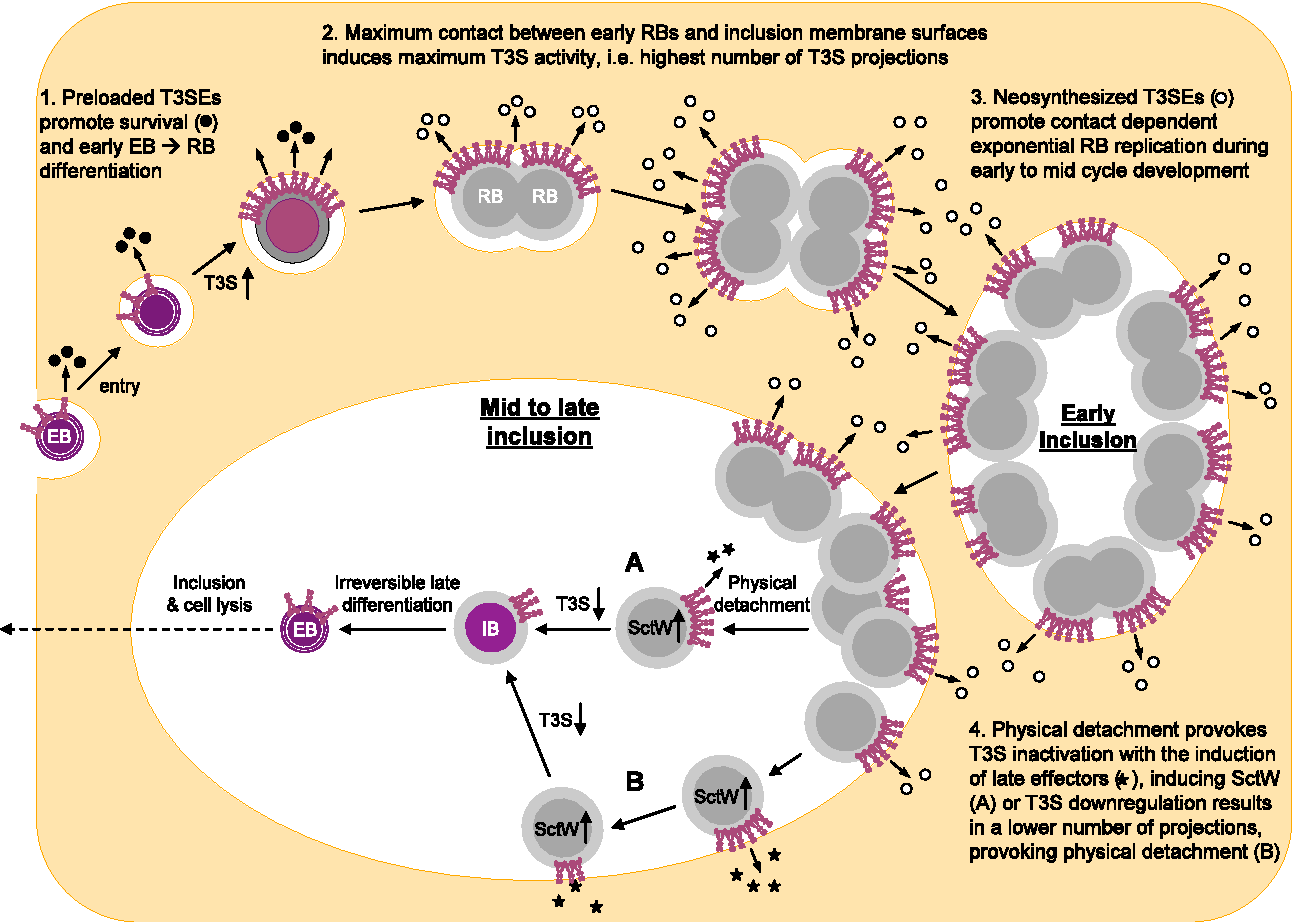
Figure 1 from Conserved type III secretion system exerts important roles in Chlamydia
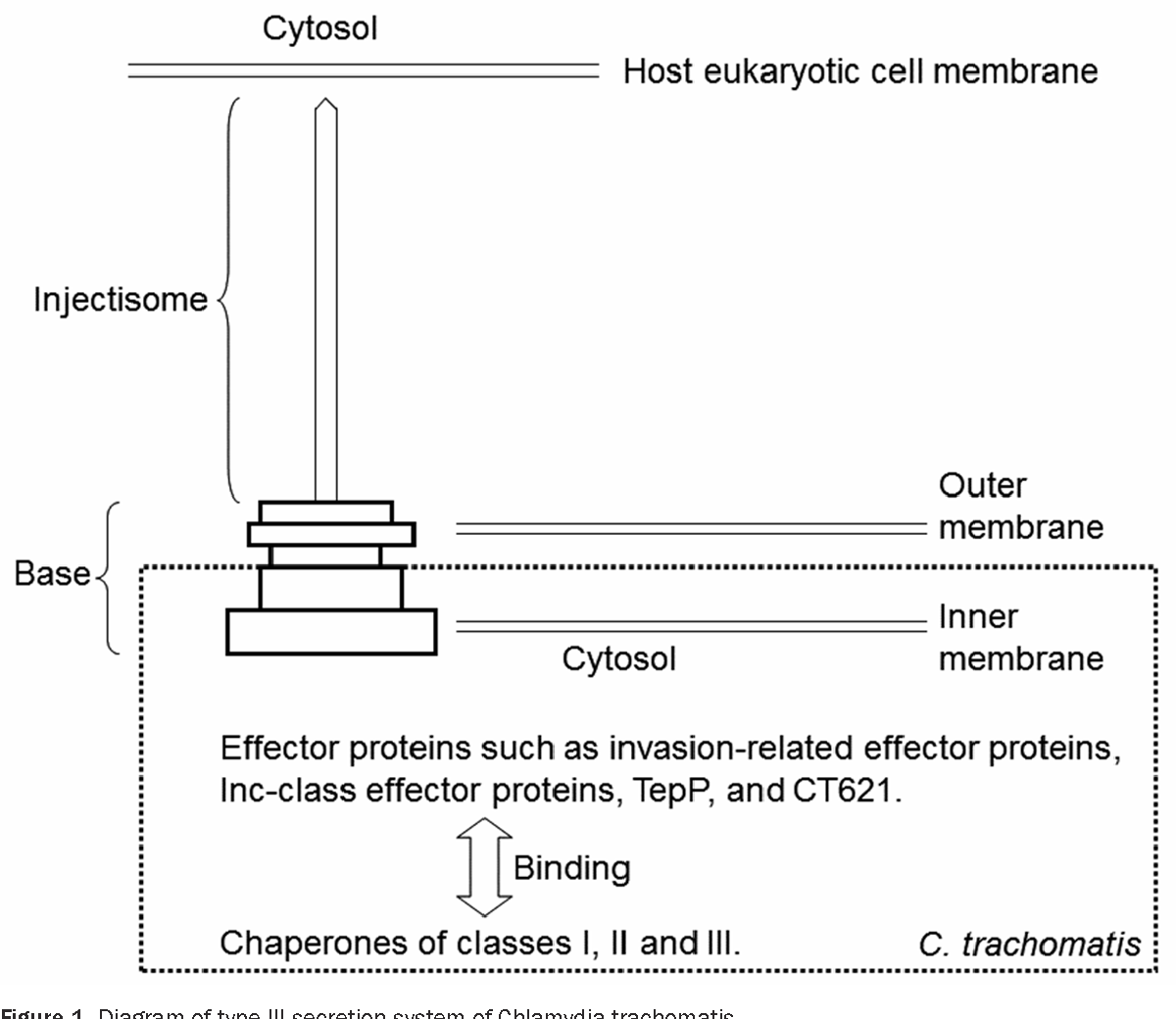
Abstract. Present-day members of the Chlamydiaceae contain parasitic bacteria that have been co-evolving with their eukaryotic hosts over hundreds of millions of years. Likewise, a type III secretion system encoded within all genomes has been refined to complement the unique obligate intracellular niche colonized so successfully by Chlamydia spp.
(PDF) Exploration of Chlamydial Type III Secretion System Reconstitution in Escherichia coli

Chlamydia is among the many pathogenic Gram-negative bacteria that employ the type III secretion system (T3SS) to overcome host defenses and exploit available resources.. This review describes challenges and recent advances that have revealed how Chlamydia trachomatis utilizes diversification to produce a conserved T3SS that exerts an.
Type Iii Secretion Systems My XXX Hot Girl
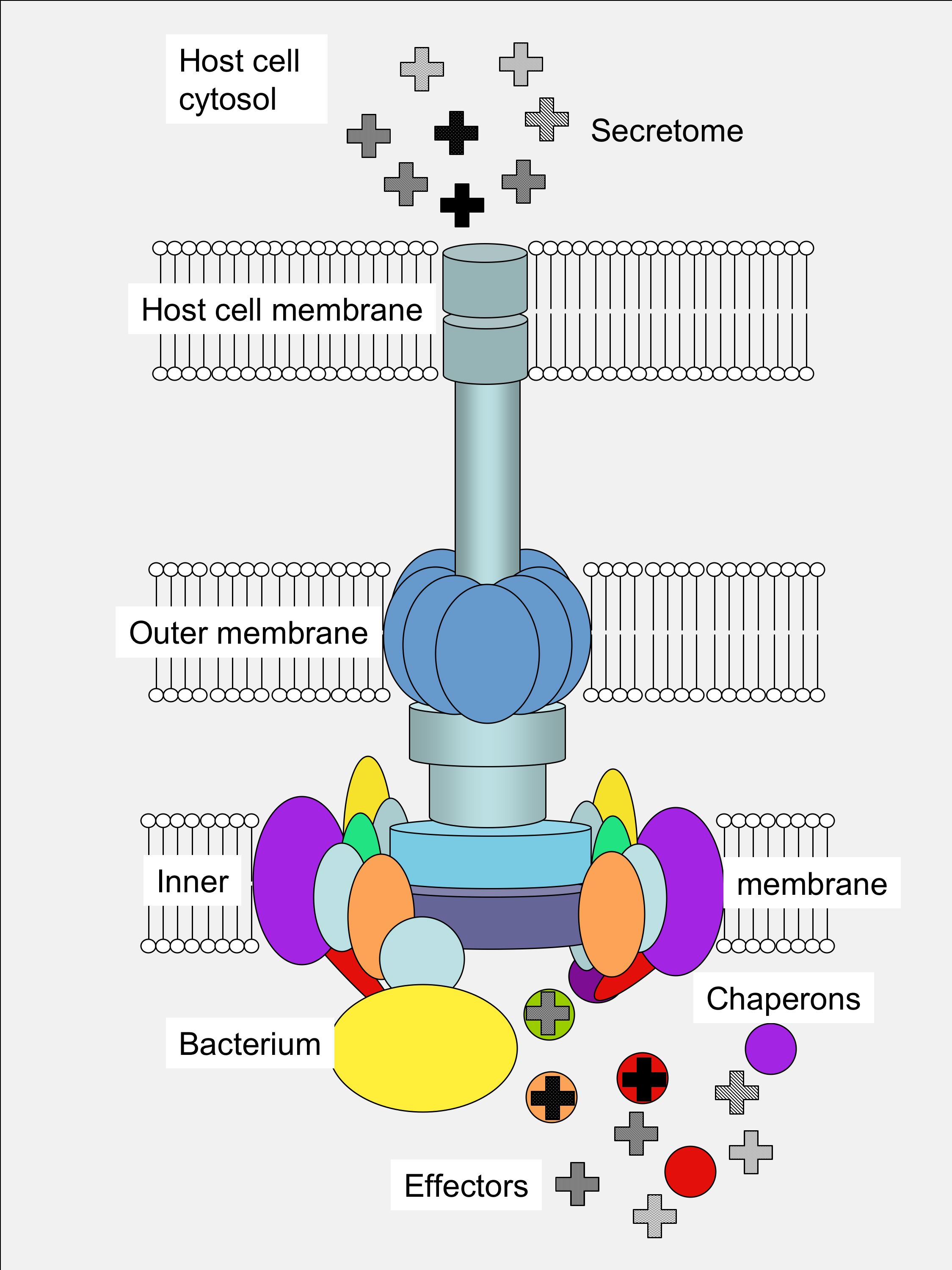
The T3SS structural and effector genes of Chlamydia trachomatis are expressed in distinct phenotypic cell forms. Authors: Nicole A. Grieshaber, Cody Appa, Megan Ward, Alorah Grossman, Sean McCormik, Brendan S. Grieshaber,. We noticed an intriguing expression pattern with the type III secretion system (T3SS) structural genes in the clustering.
Structural modeling of the flagellum MS ring protein FliF reveals similarities to the type III
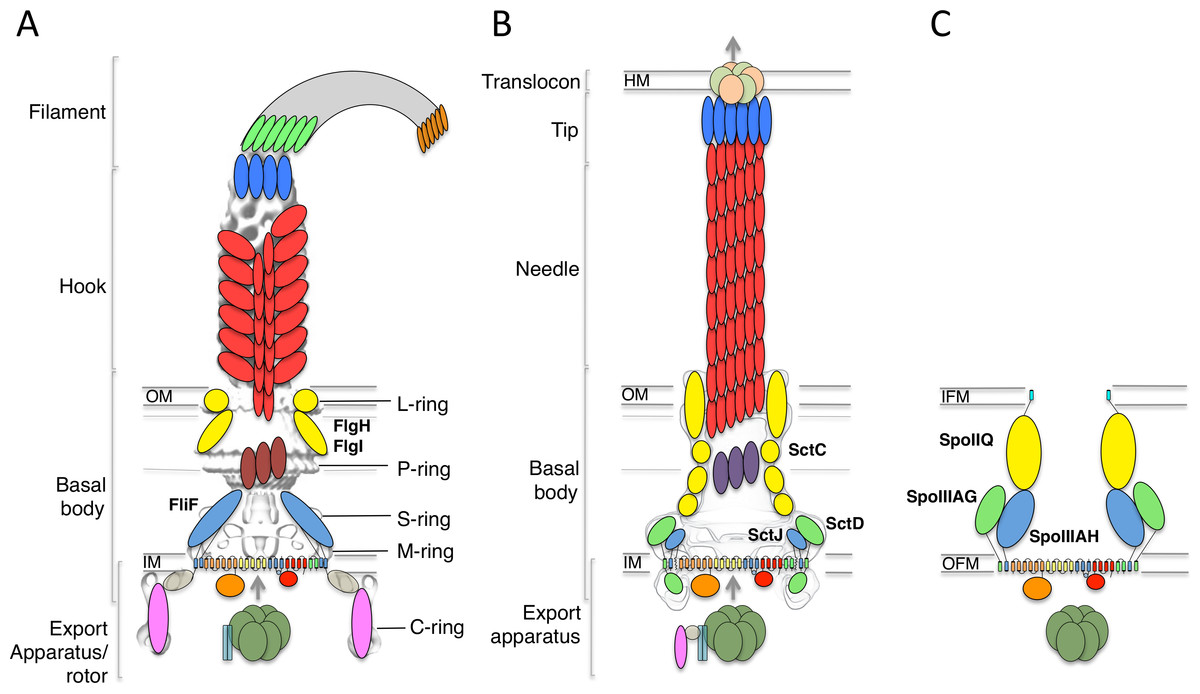
Chlamydia trachomatis is an obligate intracellular human pathogen causing ocular and urogenital infections that are a significant clinical and public health concern. This bacterium uses a type III secretion (T3S) system to manipulate host cells, through the delivery of effector proteins into their cytosol, membranes, and nucleus. In this work, we aimed to find previously unidentified C.
The multiple functions of the numerous Chlamydia trachomatis secreted proteins the tip of the

Chlamydia trachomatis (C.t.), the leading cause of bacterial sexually transmitted infections, employs a type III secretion system (T3SS) to translocate two classes of effectors, inclusion membrane proteins and conventional T3SS (cT3SS) effectors, into the host cell to counter host defense mechanisms. Here we employed three assays to directly evaluate secretion during infection, validating.
(PDF) Identification of Chlamydia trachomatis CT621, a protein delivered through the type III
Chlamydia trachomatis, the causative agent of trachoma and sexually transmitted infections, employs a type III secretion (T3S) system to deliver effector proteins into host epithelial cells to establish a replicative vacuole. Aside from the phosphoprotein TARP, a Chlamydia effector that promotes act.
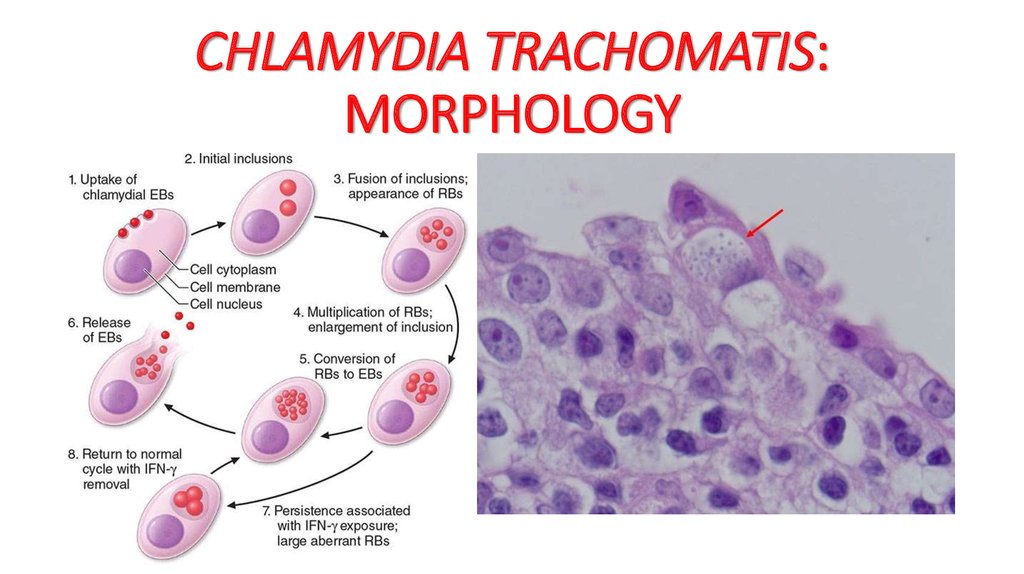
Sexually transmitted bacterial diseases online presentation
Chlamydia trachomatis is a human bacterial pathogen causing ocular and genital infections. It multiplies exclusively within an intracellular membrane-bound vacuole, the inclusion, and uses a type III secretion system to manipulate host cells by injecting them with bacterially-encoded effector proteins.
(PDF) A smallmolecule inhibitor of type III secretion inhibits different stages of the
Timing depends on the chlamydial species and host cell type, but is typically completed within 40-72 hrs. The ability to subvert host cell biology via expression of a type III secretion system (T3SS) is a major factor in the success of Chlamydia as a parasite. The T3SS has received considerable attention as a paradigm in Gram-negative.
Type III secretion systems in P. fluorescens. The components and... Download Scientific Diagram

niche, presumably by expressing a type III secretion system, which deploys a set of host cell-interactive proteins including inclusion membrane-localized pro-teins termed Incs. Some Incs are expressed and secreted by 2 h (early cycle) after infection, whereas the expression of type III-specific genes is not detect-able until 6-12 h (mid-cycle).
[PDF] Chlamydial Type III Secretion System 17 1 Bacterial Secretion Systems with an Emphasis on
Keywords: Chlamydia trachomatis, CT584, CebN, nucleoporin, Rae1, T3SS effector, Inc ABSTRACT Chlamydia trachomatis (C.t.), the leading cause of bacterial sexually transmitted infections, employs a type III secretion system (T3SS) to translocate two classes of effectors, inclusion membrane proteins and conventional T3SS (cT3SS) effectors, into the host cell to
Antibodies Free FullText Antibodies Inhibiting the Type III Secretion System of Gram

Type III secretion is an important virulence determinant of many Gram-negative bacteria including C. trachomatis, and an attractive target for the interruption of pathogen development. Small molecule inhibitors of T3SS have been identified to inhibit T3SS and C. trachomatis development [ 53 ].
Transcriptional linkage analysis of chlamydial type III secretion... Download Scientific Diagram

Chlamydia trachomatis secretion of hypothetical protein CT622 into host cell cytoplasm via a secretion pathway that can be inhibited by the type III secretion system inhibitor compound 1. Microbiology (Reading) 157:1134-1144.
(PDF) Multipart ChaperoneEffector Recognition in the Type III Secretion System of Chlamydia

The obligate intracellular bacteria Chlamydia trachomatis is a common sexually transmitted pathogen and the leading cause of preventable blindness worldwide.Chlamydia co-opts host cells by secreting virulence factors directly into target cells through a multi-protein complex termed a type III secretion system or "injectisome". The lack of a system for molecular genetic manipulation in.
(PDF) Chlamydial Type III Secretion System Needle Protein Induces Protective Immunity against

Type III secretion systems (T3SSs) are utilized by Gram-negative pathogens to enhance their pathogenesis. This secretion system is associated with the delivery of effectors through a needle-like structure from the bacterial cytosol directly into a target eukaryotic cell. These effector proteins then manipulate specific eukaryotic cell functions.
Schematic representation of the type III secretion system of A/E... Download Scientific Diagram

binding that initiates the injection of effector proteins via a type III secretion system (T3SS) into the host cytoplasm and the uptake of. Chlamydia trachomatis is a major cause of sexually.
.