How Are Golf Balls Made? YouTube
Taylormade Project A Project A Premier Lakeballs Ltd

Golf balls have remained the core of Titleist's business in the many decades since it was founded. The company was estimated to have accumulated $508 million dollars from the sale of golf balls as of 2020. The highest quality golf balls produced by the company are the Pro V1 line, which was made available for the first time in October 2000.
How Golf Balls are Made Core77

Now, golf ball companies and the golf ball market is bigger than ever. Three Component Design. Modern day golf balls - like the Titleist Pro V1 and Pro V1X - have come a long way in terms of design. But what's inside golf balls? Golf balls are made up of three parts - the cover, mantle, and core. Each manufacturer adapts these parts to.
What Were The First Golf Balls Made Out Of

The golf ball is made from a molded solid rubber core with layers of plastic or rubber surrounding it. Depending on the ball, it will either have a Surlyn or urethane dimpled cover and have the manufacturer's brand and number pad printed on the surface. The number of internal layers and the materials used will determine the golf ball's.
How Do They Make Golf Balls? YouTube

It's the core, the heart of the golf ball, and it's where the magic begins. Your golf ball's core affects everything from the distance it travels to its feel on impact. The core is typically made of rubber compounds and can vary in size and density. High-performance balls often feature a multilayer core, designed to provide varying.
How Are Golf Balls Made? 2022

A golf ball is a special ball designed to be used in the game of golf. Under the rules of golf, a golf ball has a mass no more than 1.620 oz (45.9 g),. It is commonly believed that hard wooden, round balls, made from hardwoods such as beech and box, were used for golf from the 14th through the 17th centuries. Though wooden balls were no.
Taylormade Project S Project S Matte Premier Lakeballs Ltd

1. Forming Ball Center. First, the manufacturer will mix the substances to create chemical reactions, resulting in a rubber compound. Then, the solid rubber piece is molded into a circular shape of 1.5-inch. This molded core is the center of the ball. Schematic view of sliced golf ball layers.
How Are Golf Balls Made? YouTube
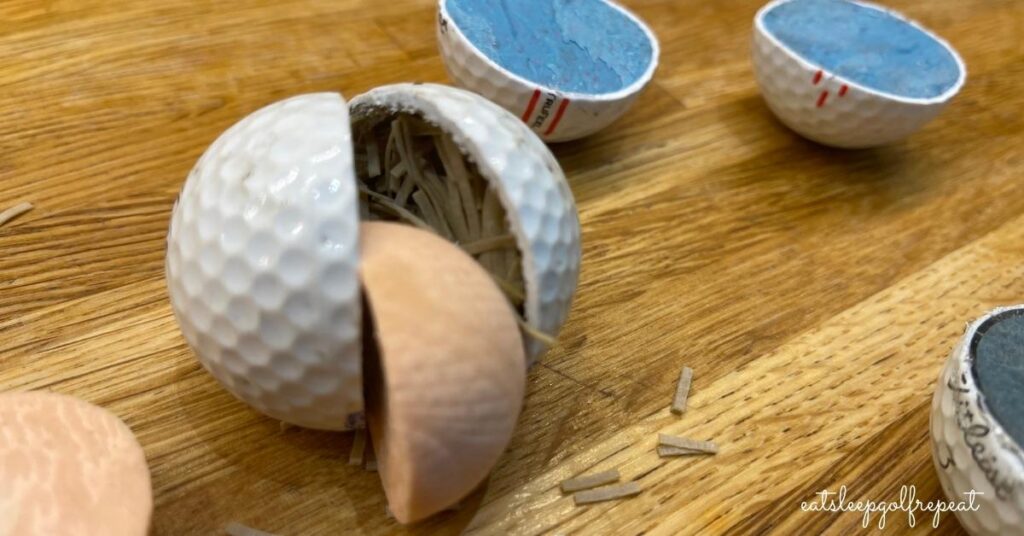
The modern golf ball consists of three main components: the core, the mantle, and the cover. Golf ball manufacturers tweak each of these elements to produce desired performance traits such as increased distance, increased control and increased feel. This often is referred to in golf-speak as initial velocity, spin rate, and compression.
TAYLORMADE PROJECT (a) GOLF BALL TEST & REVIEW YouTube

A Look Inside The Factory. Guides / By Andrew Hercules. Early golf balls were made by stuffing feathers into a leather sack or by molding latex from gutta-percha trees. Most modern balls begin as a block of rubber which forms the solid core. These peg like pieces are molded into their final round form. Automated equipment puts the core in.
How Golf Balls are Made Materials and History Explained Bulle Rock Golf

Generally, golf balls made with harder materials like surlyn or ionomer tend to be more durable and able to withstand the wear and tear of multiple rounds of golf. However, these harder materials may sacrifice some feel and spin control compared to softer urethane-covered balls. Ultimately, the durability of a golf ball also depends on how it.
Uncovering the Secrets What Are Golf Balls Made Of Champ Golf

Yes, they were made with feathers. A small piece of cow or sheep leather was shaped into a ball, stuffed with goose down and sewn together. Golf historians say a hat full of feathers was stuffed into the small balls. The feathery was hand-crafted while wet. As it dried, the leather shrunk but the feathers expanded.
How Are Golf Balls Made? 2022
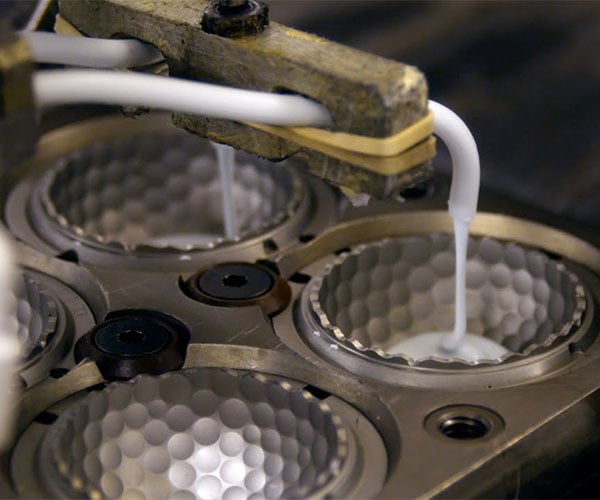
Most golf balls are made using a compression molding machine, which helps ensure consistency in the ball's construction. The materials used in the ball's construction can also impact its durability. When choosing a golf ball, it's important to consider both distance and durability. A ball that is designed for maximum distance may not last.
How Are Golf Balls Made? Back 2 Basics Golf

Modern-day golf balls are classified based on the number of layers of rubber materials in their core, such as 2-piece, 3-piece, and 4-piece. The outer covers are usually made of either urethane or surlyn.. In the 19th century, the gutta percha ball, made from natural latex, gained popularity, being more affordable and uniform in shape.
How Golf Balls Are Made
The Core. Golf balls are made up of several components, but the core is arguably the most important. The core affects a ball's performance in terms of distance, spin and trajectory. It also determines how soft or hard the ball feels when hit with a club. There are two main types of cores used in golf balls: solid and liquid-filled.
The ultimate 3step plan to choosing the right golf ball for your game
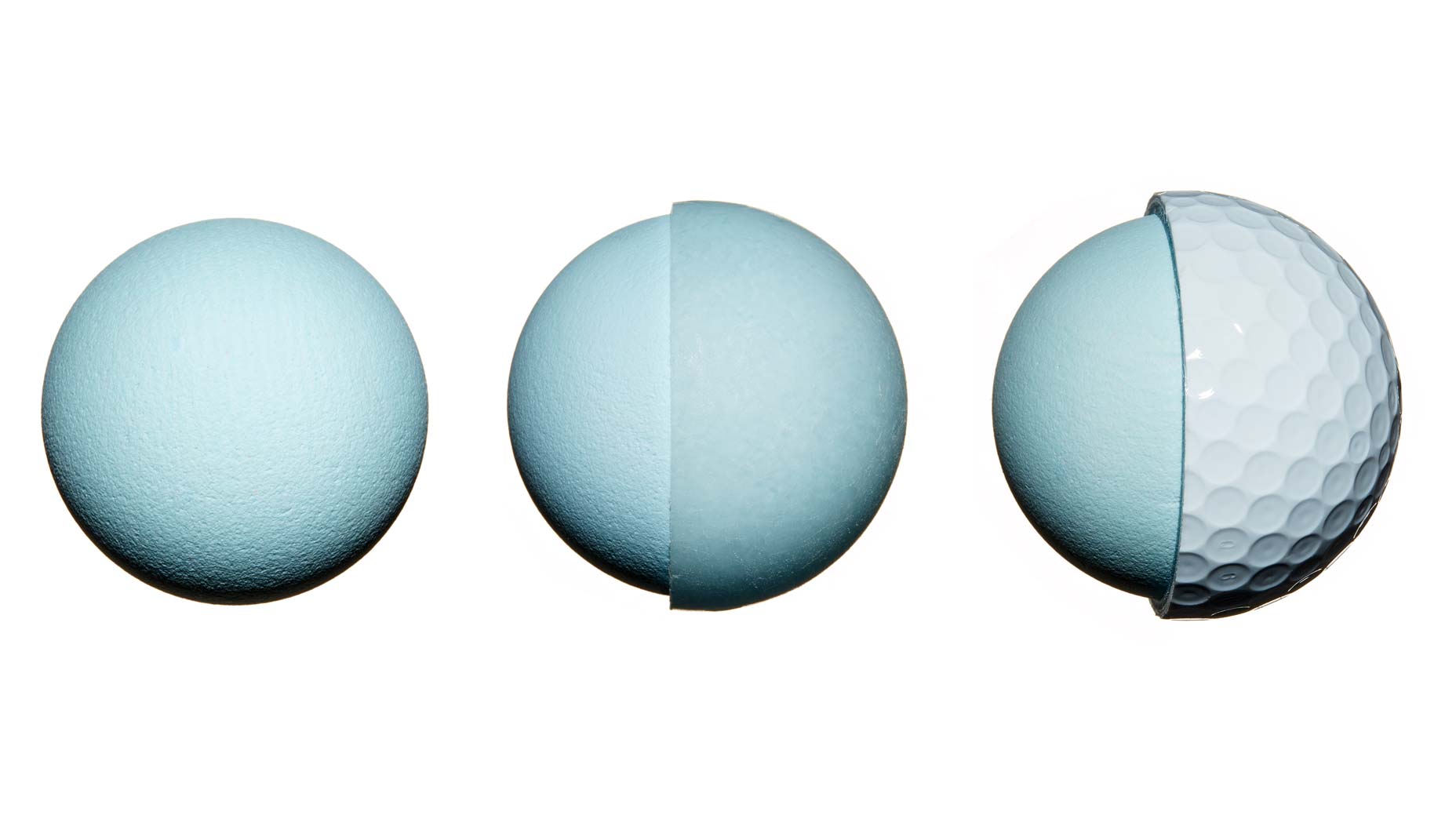
Golf balls are made of a rubber core, a thin layer of rubber called the mantle, and a hard outer shell called the cover. The core is typically made of a mixture of rubber and resin, the mantle is made of a synthetic material such as urethane, and the cover is made of a variety of materials, including balata, surlyn, and ionomer.
How are golf balls made?
The gutta percha ball was introduced in the mid-19th century, followed by the Haskell ball in the late 19th century. The modern golf ball has undergone significant changes since its inception, and golf ball manufacturers continue to innovate to improve performance. The early golf balls were made of wood and were not perfectly round, which made.
What are Golf Balls Made Of? How is a Golf Ball Made?

There are two types of cores, solid and liquid. A solid core is made of rubber, which is molded into a ball shape. A liquid core is made of a mixture of rubber and a liquid center, typically water or oil. Cover. The cover is the outer layer of the ball and is made of various materials, including urethane, surlyn, and balata.
.